What Exactly Is an End-Grain Checkerboard Cutting Board?
To understand why end-grain boards are superior, one must first grasp the fundamental difference between end-grain and face-grain (or edge-grain) construction.
Face-Grain Boards are constructed by gluing planks together with their broad flat faces facing upward. These boards show the long wood grain patterns running across the surface. While affordable and easy to manufacture, face-grain boards show knife marks quickly and require more frequent oiling to maintain their appearance.
Edge-Grain Boards are made by gluing planks on their edges, creating a surface that shows the side grain of the wood. This is the most common construction for mid-range wooden boards. Edge-grain boards are more durable than face-grain but still show visible cutting marks over time.
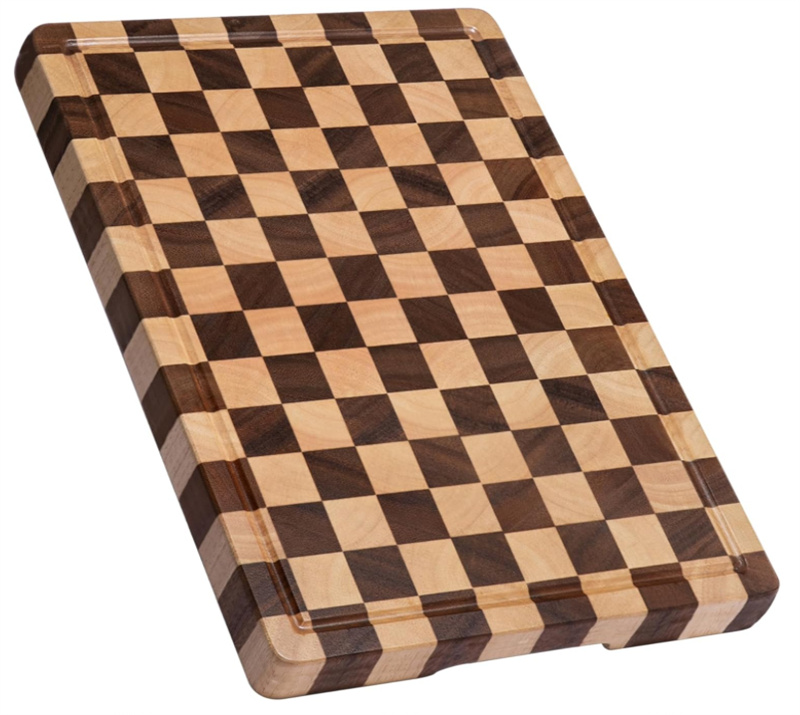
The checkerboard pattern is created by alternating blocks of two different wood species—typically a lighter wood such as maple, birch, or bamboo, and a darker wood such as walnut, acacia, or teak. When arranged in a grid, these contrasting blocks create the iconic checkerboard visual that has become synonymous with luxury kitchenware.
Beyond aesthetics, the checkerboard construction serves a functional purpose. By using multiple wood species with different densities, the board achieves enhanced structural stability and resistance to warping. The alternating grain directions also create a more uniform cutting surface that minimizes knife blade damage.
Why End-Grain Checkerboard Boards Are Dominating the Kitchenware Market
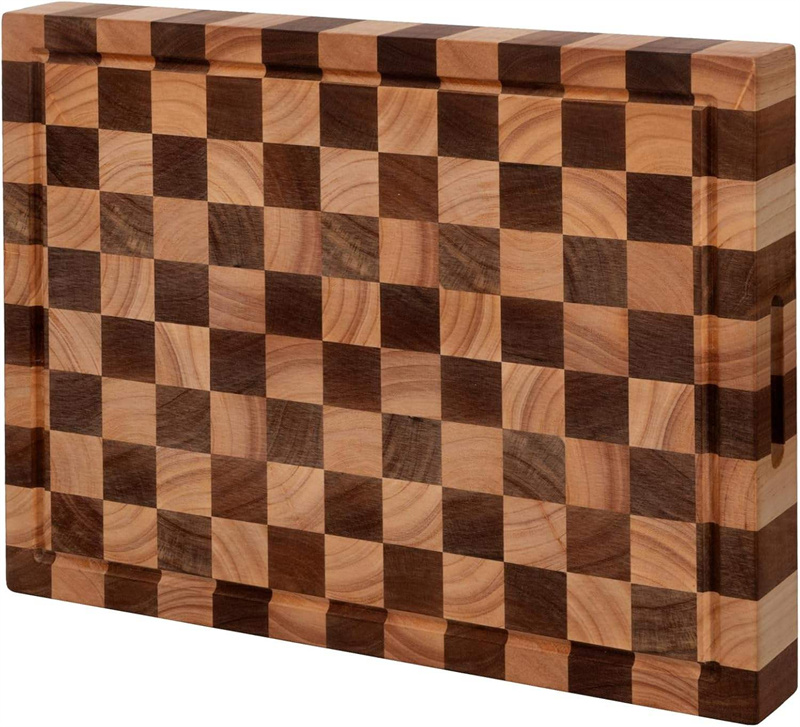
In recent years, the global kitchenware market has witnessed a remarkable surge in demand for premium wooden cutting boards, particularly end-grain checkerboard designs. According to industry reports, the global wooden cutting board market is projected to grow at a CAGR of 5.2% from 2024 to 2030, driven by increasing consumer preference for sustainable, durable, and aesthetically pleasing kitchen tools. Among all wooden board categories, end-grain checkerboard cutting boards stand out as the fastest-growing segment, with wholesale inquiries rising by over 40% year-over-year.
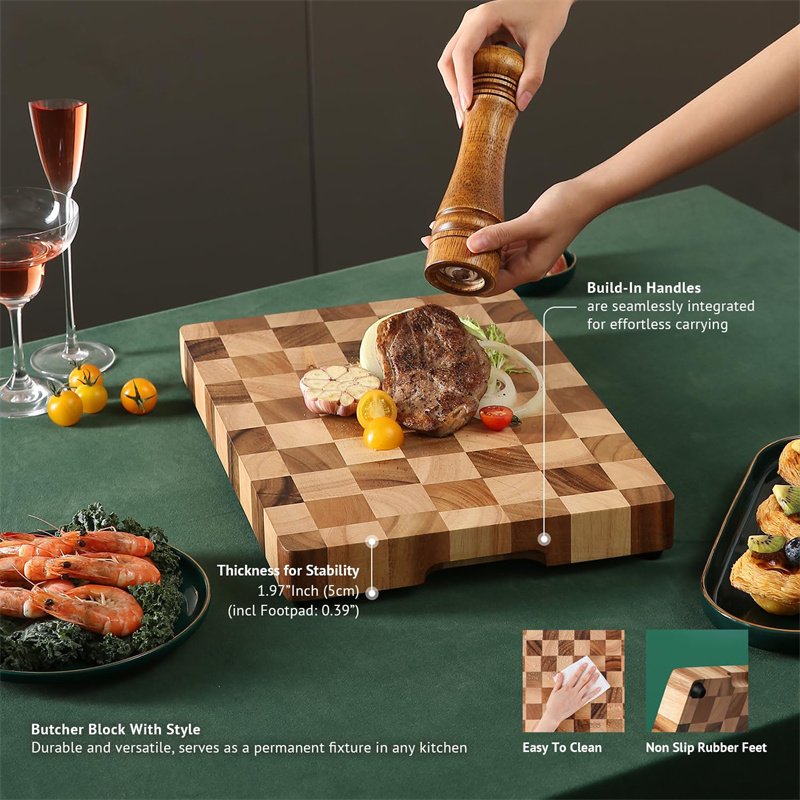
This growth is not accidental. End-grain checkerboard boards represent the pinnacle of woodworking craftsmanship, combining functional superiority with visual elegance. For retailers, e-commerce sellers, and hospitality buyers, these boards offer high profit margins, strong consumer appeal, and excellent differentiation in a crowded market. This comprehensive guide explores everything you need to know about end-grain checkerboard cutting boards—from their unique construction and benefits to quality standards and wholesale sourcing strategies.
Key Benefits of End-Grain Checkerboard Cutting Boards
1.Exceptional Durability and Self-Healing Surface
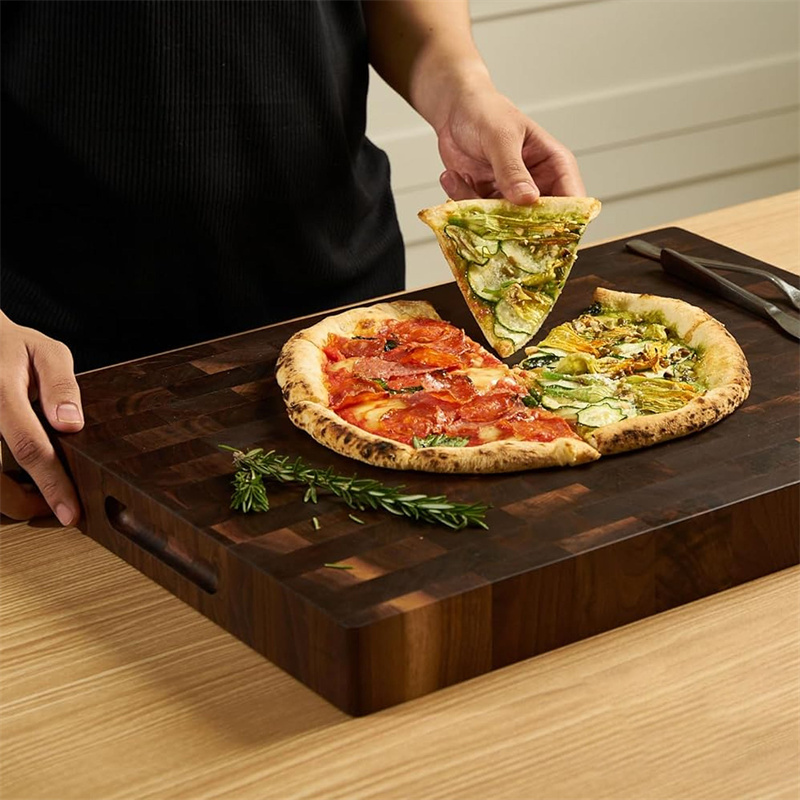
The most celebrated benefit of end-grain construction is its self-healing surface. When a knife cuts into an end-grain board, the blade slides between the vertical wood fibers rather than severing them. After the knife is removed, these fibers naturally close back together, effectively erasing the cut mark. This means a well-maintained end-grain board can last for decades—often 20 to 30 years or more—without developing deep grooves or a worn appearance.
For B2B buyers, this durability translates directly to customer satisfaction and repeat business. Retailers can market these boards as "lifetime investment" pieces, commanding premium price points while reducing return rates.
2.Knife-Friendly Surface
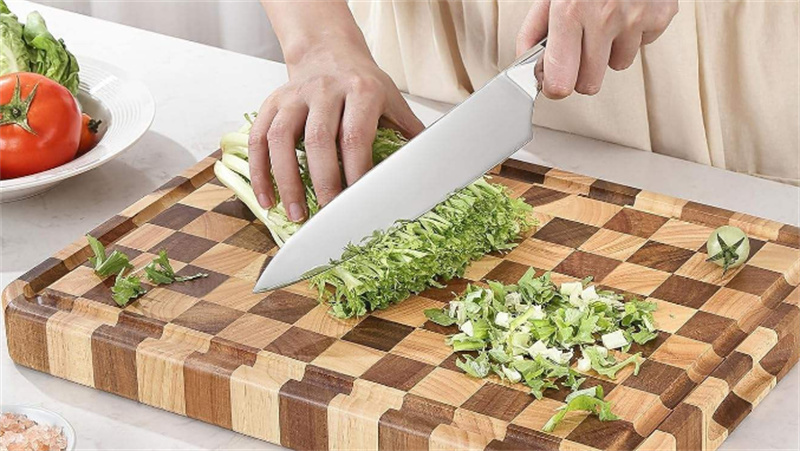
Professional chefs and home cooking enthusiasts consistently rate end-grain boards as the best surface for maintaining knife sharpness. Because the knife edge lands between wood fibers rather than crushing against a hard surface, the blade stays sharper significantly longer. Independent testing has shown that end-grain boards can extend knife sharpness by up to 50% compared to plastic or face-grain wooden boards.
This benefit is particularly valuable for marketing to culinary professionals, cooking schools, and high-end home kitchen segments where knife maintenance is a primary concern.
3.Natural Antibacterial Properties
Contrary to common misconceptions, research has demonstrated that properly maintained wooden cutting boards—especially end-grain boards—possess natural antibacterial properties. A study by the University of Wisconsin found that wooden boards actually reduce bacteria levels over time, while plastic boards develop deep knife grooves that harbor bacteria even after washing. The porous structure of end-grain wood absorbs moisture and traps bacteria, which then die as the wood dries.
For buyers targeting health-conscious consumers, this natural antibacterial advantage is a powerful selling point that requires no chemical treatments or additives.
4.Aesthetic Appeal and Versatility
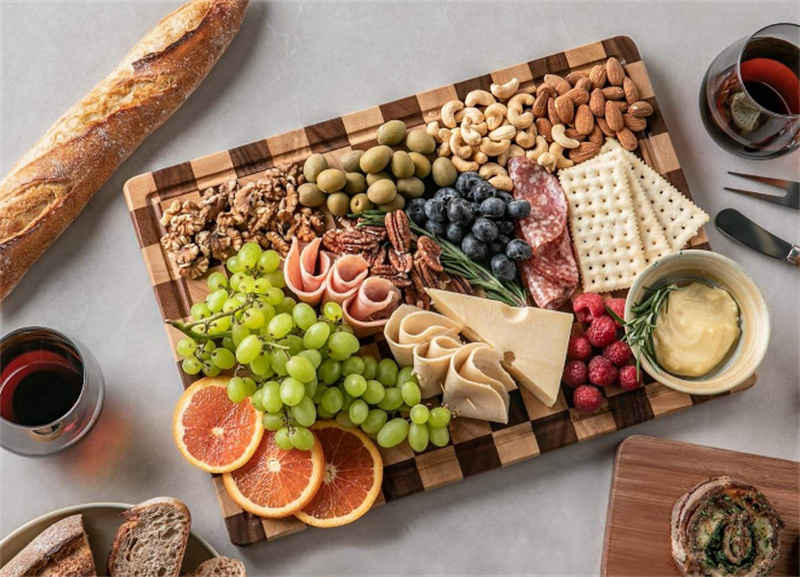
The checkerboard pattern is not merely decorative—it is a design statement that elevates any kitchen space. These boards transition seamlessly from food preparation to serving. A checkerboard end-grain board can function as a cutting board during meal prep, then be carried directly to the dining table as a charcuterie board, cheese platter, or bread serving board. This versatility makes them ideal for small-space living, dinner parties, and entertaining.
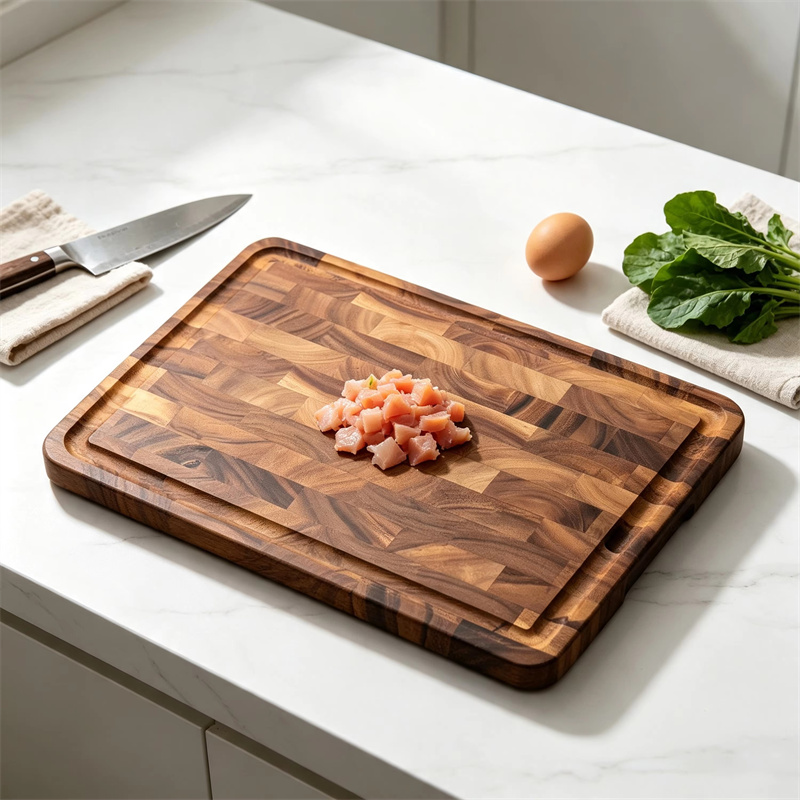
For retailers, this dual functionality means the product can be merchandised across multiple categories—cutting boards, serving ware, kitchen decor, and gift items—maximizing sales potential.
5.Sustainability and Eco-Friendliness
As global consumers increasingly prioritize eco-friendly products, bamboo and FSC-certified wooden cutting boards have become a preferred choice over plastic alternatives. Bamboo is one of the fastest-growing plants on Earth, reaching maturity in 3-5 years compared to 20-50 years for most hardwoods. When sourced from responsibly managed forests (FSC certified), wooden boards offer a fully biodegradable, renewable, and carbon-neutral product option.

This sustainability profile resonates strongly with European and North American buyers, where eco-labeling and green procurement policies are increasingly mandated by both retailers and government regulations.
Quality Standards: What to Look for When Sourcing End-Grain Checkerboard Boards
The quality of an end-grain checkerboard board begins with the raw materials. Premium boards use food-safe, kiln-dried hardwoods with moisture content controlled between 8-12%. Common high-quality combinations include:
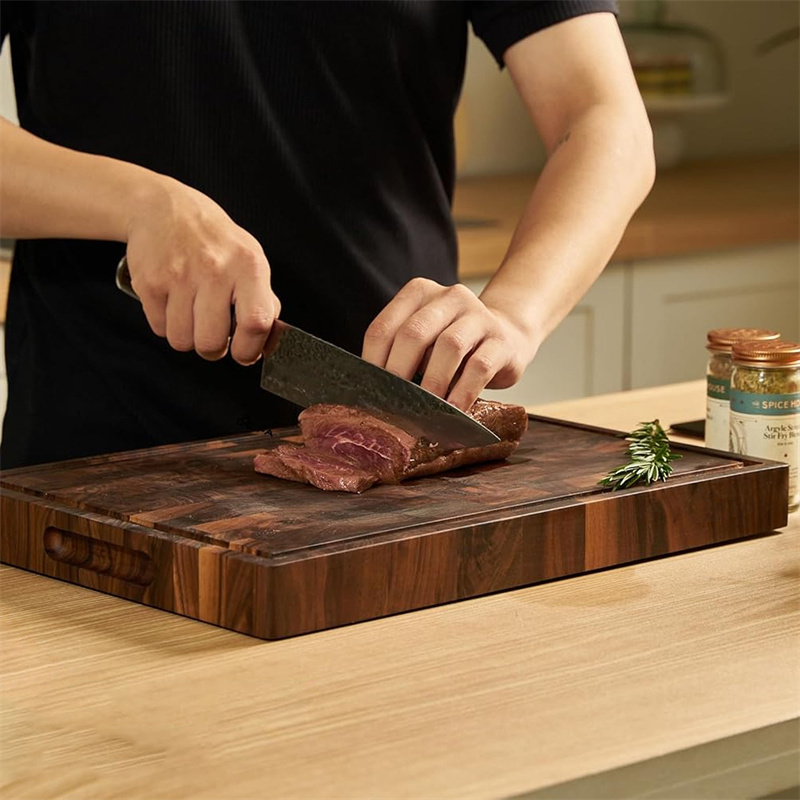
Walnut + Maple: The classic luxury combination, offering rich dark brown contrast against creamy white. High density and excellent durability.
Acacia + Bamboo: A more affordable premium option, with acacia's rich golden-brown tones complementing bamboo's pale yellow. Excellent moisture resistance.
Teak + Rubber Wood: Known for teak's natural oil content and water resistance, making it ideal for humid kitchen environments.
When evaluating suppliers, always request detailed material specifications including wood origin, drying method, and moisture content testing reports.
A well-made end-grain checkerboard board should exhibit the following craftsmanship indicators:
Tight, even joints: No visible gaps between wood blocks. Run your finger across the surface—it should feel completely smooth with no ridges or depressions.
Precise checkerboard alignment: Each square should be uniform in size with clean, straight edges. Misaligned blocks indicate poor cutting precision.
Smooth, rounded edges: All edges should be sanded smooth with a slight bevel or round-over to prevent splintering and provide a comfortable grip.
Flat, stable surface: The board should sit completely flat on a level surface with no rocking or wobbling. Warping indicates improper drying or construction.
Integrated juice groove (optional): Many premium boards include a perimeter juice groove to catch liquids from meats or fruits. The groove should be smooth, evenly sized, and not compromise the board's structural integrity.
Care and Maintenance Guidelines for End-Users (Value-Added Content for Retailers)
Including care instructions with your product not only extends its lifespan but also reduces customer complaints and returns. Here is a standard care guide you can include with every board:
Do's:
- Hand wash with warm soapy water and dry immediately after each use.
- Apply food-grade mineral oil or board cream monthly (or more frequently in dry climates) to maintain moisture and prevent cracking.
- Use both sides of the board alternately to distribute wear evenly.
- Store the board upright on its edge in a dry, well-ventilated area.
Don'ts:
- Never put the board in a dishwasher. The high heat and prolonged moisture will cause warping and cracking.
- Never soak the board in water or leave it standing in a wet sink.
- Never use the board as a trivet for hot pots or pans. Extreme heat can scorch the wood and damage the finish.
- Avoid cutting very hard items such as bones, frozen foods, or hard-shelled seafood directly on the board.
Wholesale Sourcing Strategy: How to Choose the Right Manufacturer
1 Factory vs. Trading Company: Why Direct Manufacturing Matters

When sourcing end-grain checkerboard boards for wholesale, working directly with a manufacturer rather than a trading company offers significant advantages:
- Cost efficiency: Eliminating the middleman margin typically reduces unit cost by 15-30%, directly improving your profit margins.
- Quality control: Direct manufacturers have full control over raw material selection, production processes, and final inspection.
- Customization capability: OEM and ODM services are far more flexible when working directly with the factory that produces the product.
- Lead time reliability: Manufacturers can provide more accurate production schedules and faster response to urgent orders.
- Communication efficiency: Direct communication with production teams reduces misunderstandings and ensures specifications are met precisely.
2. Key Questions to Ask Potential Suppliers
Before committing to a wholesale order, ask potential manufacturers these critical questions:
1. What is your factory size and annual production capacity? A professional bamboo and wood homeware manufacturer should operate at least 8,000-10,000 sqm of factory space with an annual capacity of 1 million+ units.
2. What certifications do you hold?** Require FSC, BSCI, and food contact compliance certifications at minimum.
3. Can you provide OEM/ODM services? What is the MOQ for custom orders? Standard MOQ for custom end-grain boards is typically 500 units per design.
4. What is your sample policy and lead time? A reliable factory should offer 1-2 free samples (buyer covers shipping) with a 7-10 day sample production time.
5. What is your bulk production lead time? Standard lead time for end-grain checkerboard boards is 30-40 days after deposit and sample confirmation.
6. What quality control measures do you implement? Look for three-stage QC: incoming material inspection, in-process checks, and final random inspection before shipment.
3. Red Flags to Avoid
- Unrealistically low prices: If a quote is 30-40% below market average, the supplier is likely cutting corners on wood quality, adhesive safety, or craftsmanship.
- Refusal to provide samples or factory photos**: Legitimate manufacturers are proud to showcase their facilities and products.
-No certifications or inability to provide certification documents: This is a critical red flag for international buyers.
- Vague or inconsistent answers to technical questions: A manufacturer who cannot clearly explain their production process, wood drying methods, or QC procedures lacks the expertise to produce premium end-grain boards.
---
Market Trends and Opportunities for 2026-2027
The Rise of "Quiet Luxury" in Kitchenware
The "quiet luxury" trend—characterized by understated elegance, premium materials, and craftsmanship over logos—has strongly influenced the kitchenware sector. End-grain checkerboard boards perfectly embody this aesthetic: they are visually sophisticated without being ostentatious, built to last generations, and made from natural, sustainable materials. Retailers positioning their product lines around this trend are seeing strong sell-through rates and premium price acceptance.
Growing Demand for Personalized and Custom Products
Personalization continues to be a major growth driver in the home goods sector. Laser-engraved monograms, custom sizes, and branded packaging are increasingly requested by both retail customers and corporate gift buyers. Manufacturers offering flexible OEM/ODM capabilities with low MOQs for custom engraving are well-positioned to capture this growing market segment.
E-Commerce and DTC Channel Expansion
The global kitchenware e-commerce market continues its rapid expansion, with online sales projected to account for over 45% of total kitchenware sales by 2027. End-grain checkerboard boards perform exceptionally well in e-commerce channels due to their photogenic appearance, strong review potential, and high average order value. Amazon sellers, Shopify DTC brands, and social commerce platforms are all actively seeking premium wooden board suppliers.
The end-grain checkerboard cutting board market represents a compelling opportunity for wholesalers, retailers, and e-commerce sellers worldwide. Combining exceptional durability, knife-friendly performance, natural antibacterial properties, aesthetic versatility, and sustainable sourcing, these boards offer a rare combination of functional superiority and consumer appeal.
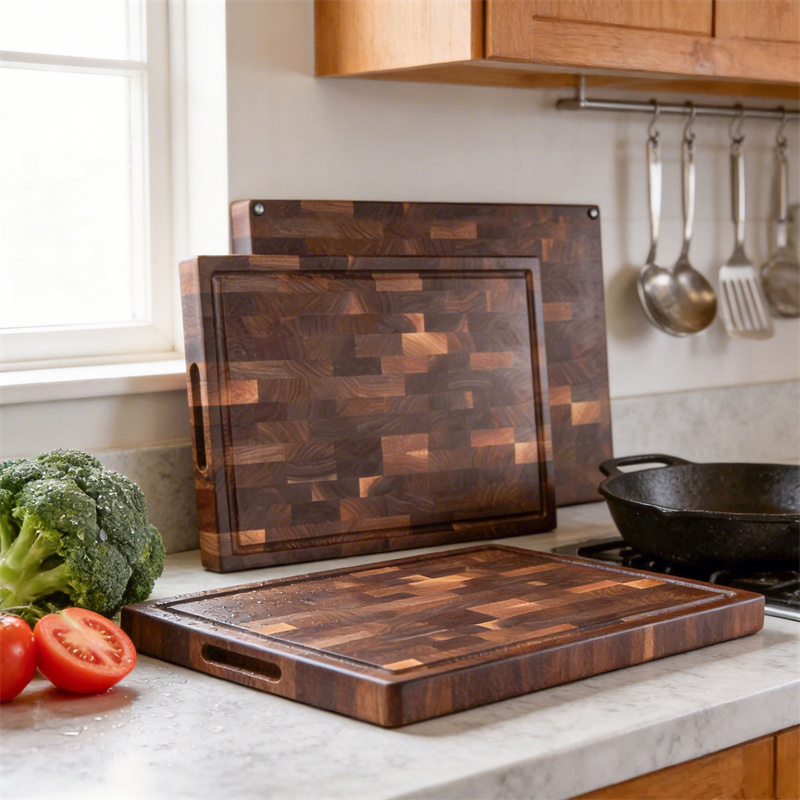
Success in this market requires partnering with a manufacturer that combines genuine craftsmanship expertise, rigorous quality control, relevant certifications, flexible OEM/ODM capabilities, and competitive factory-direct pricing. By understanding the product's unique construction, communicating its benefits effectively to end consumers, and sourcing from reliable manufacturers, businesses can capitalize on this fast-growing premium kitchenware segment.
As consumer demand for sustainable, durable, and beautiful kitchen products continues to rise, the end-grain checkerboard cutting board is poised to remain a staple of premium kitchenware for years to come. For businesses ready to enter or expand in this category, the time to source and position these products is now.
 Hot News
2026-09-16
2026-09-16
2026-08-24
2026-03-30
2026-03-15
2026-03-01
 EN
EN