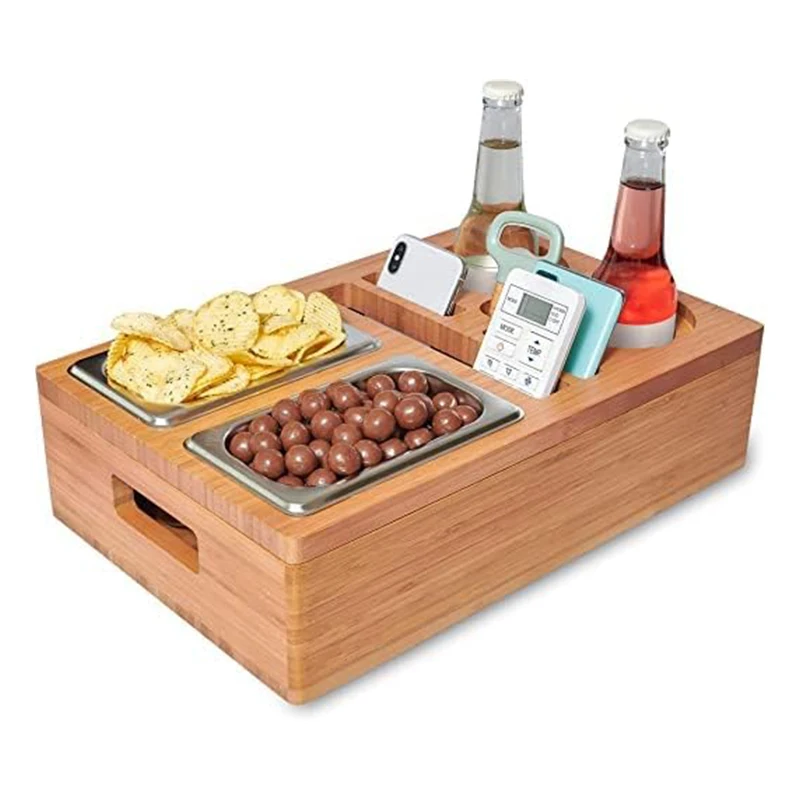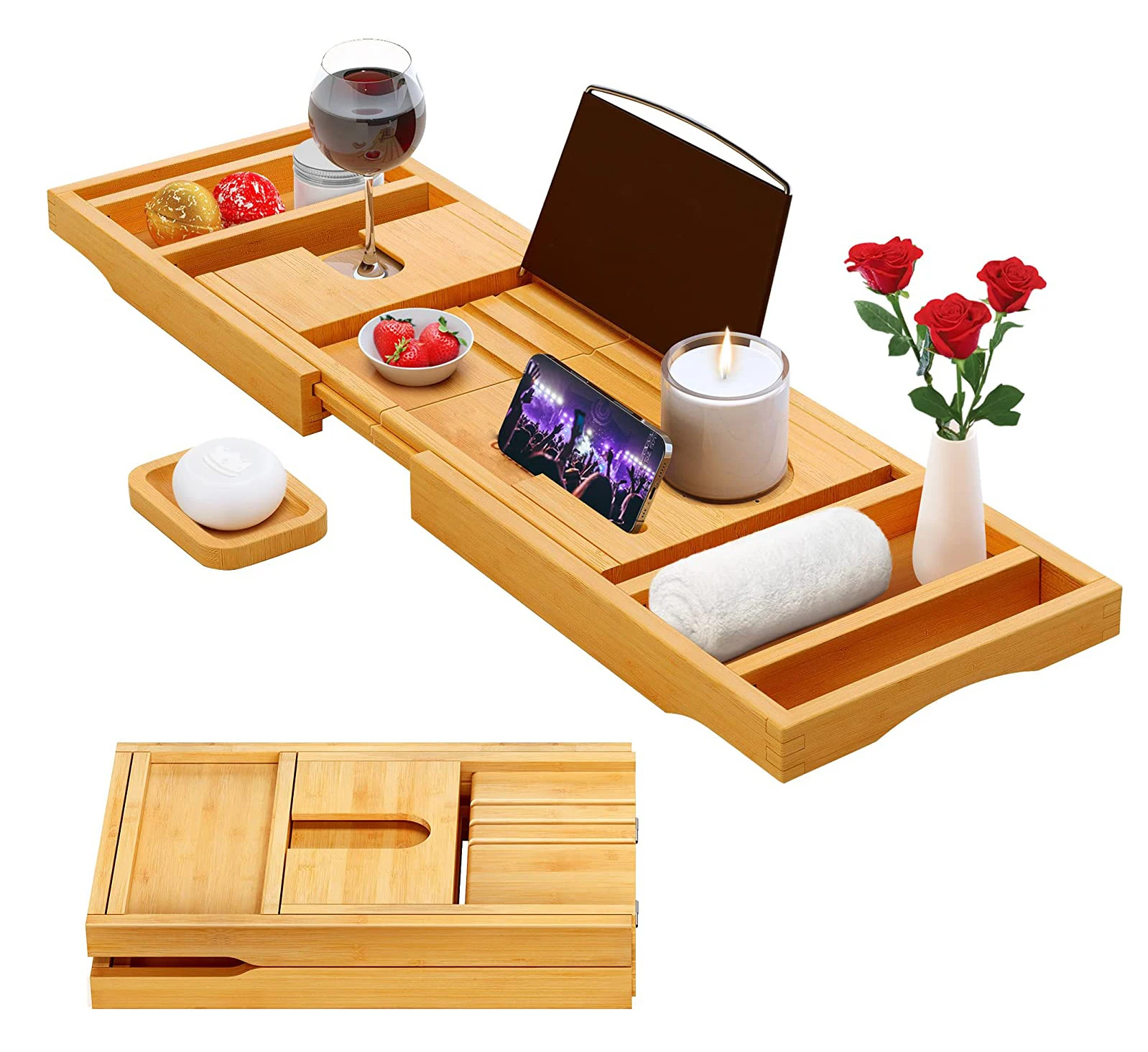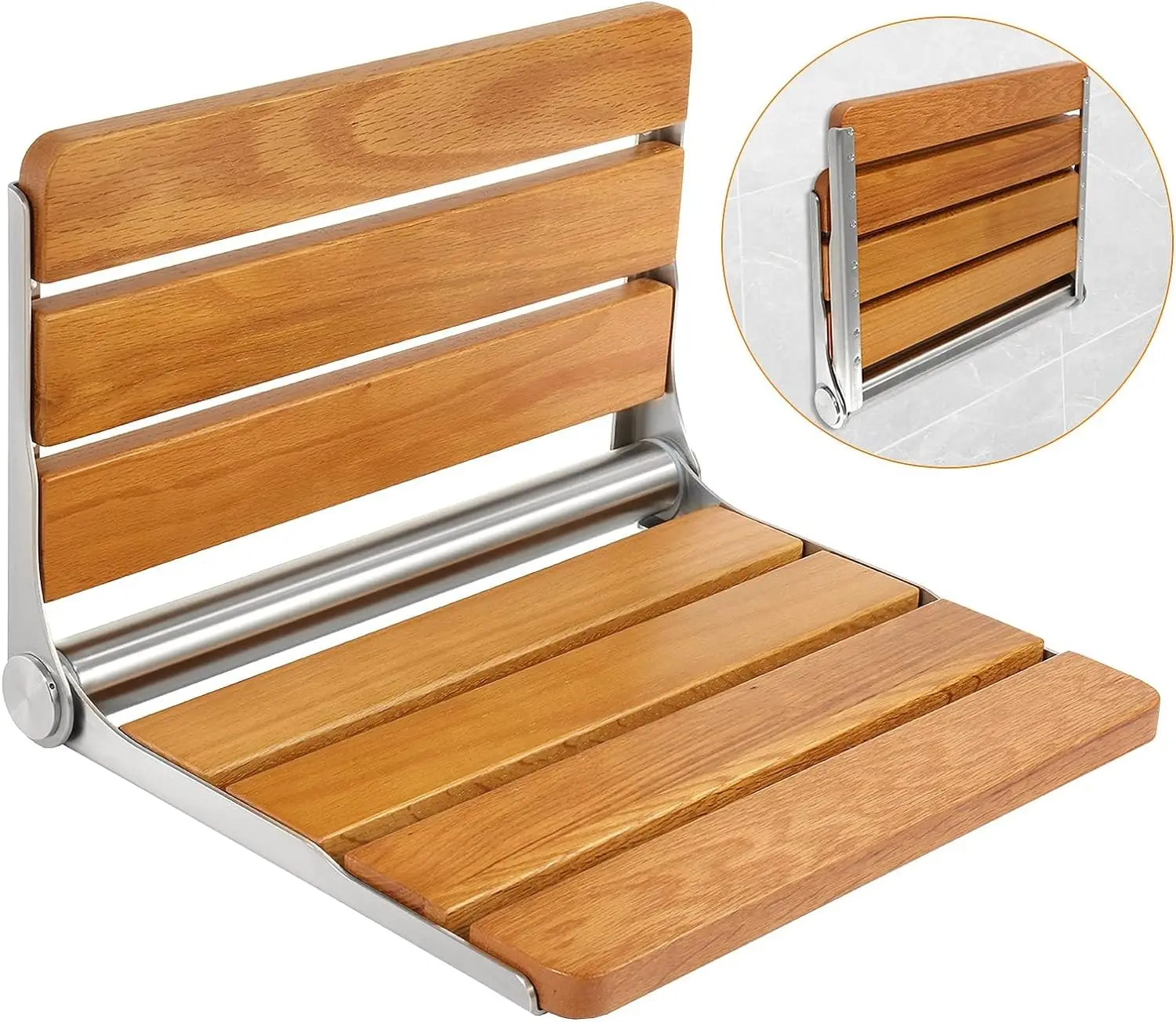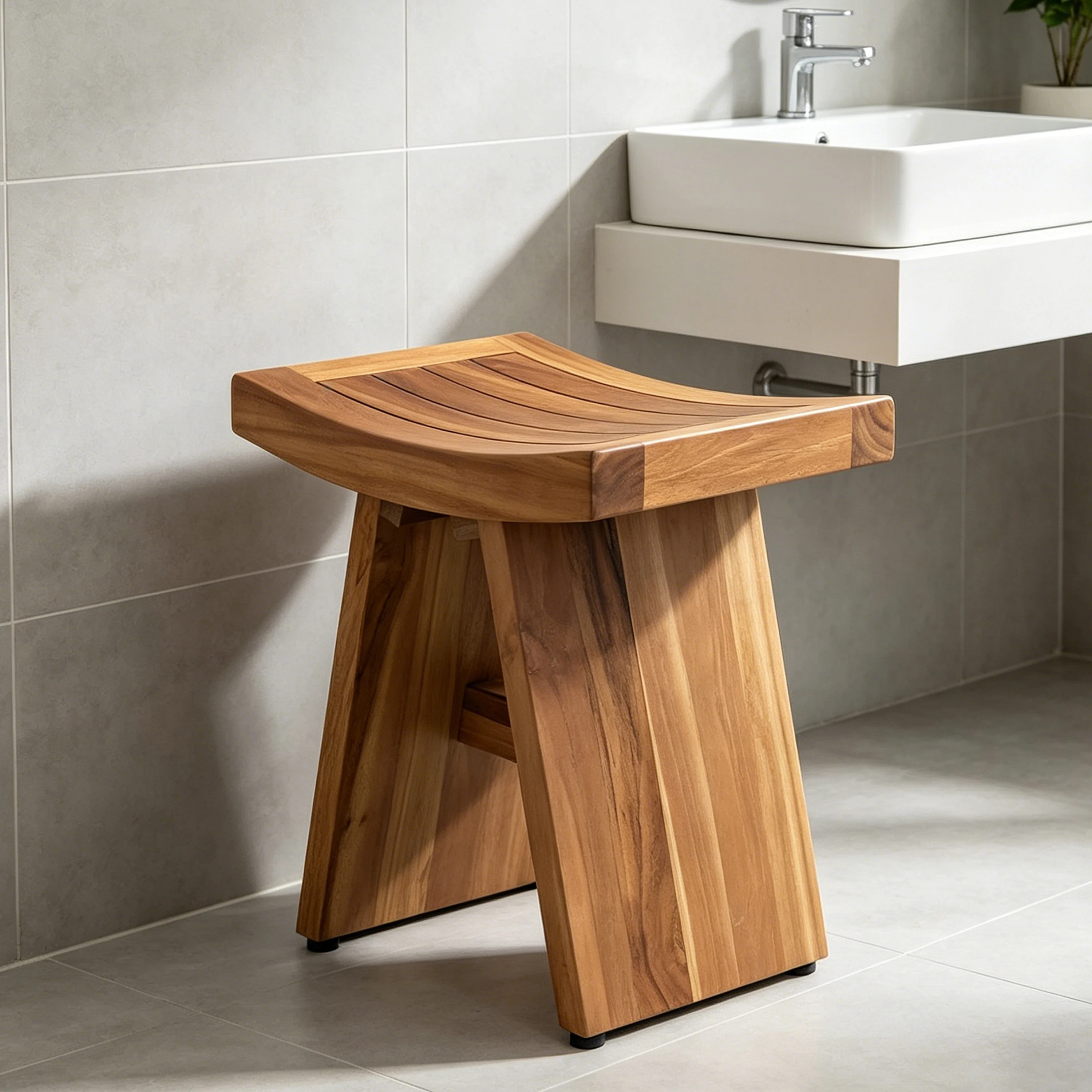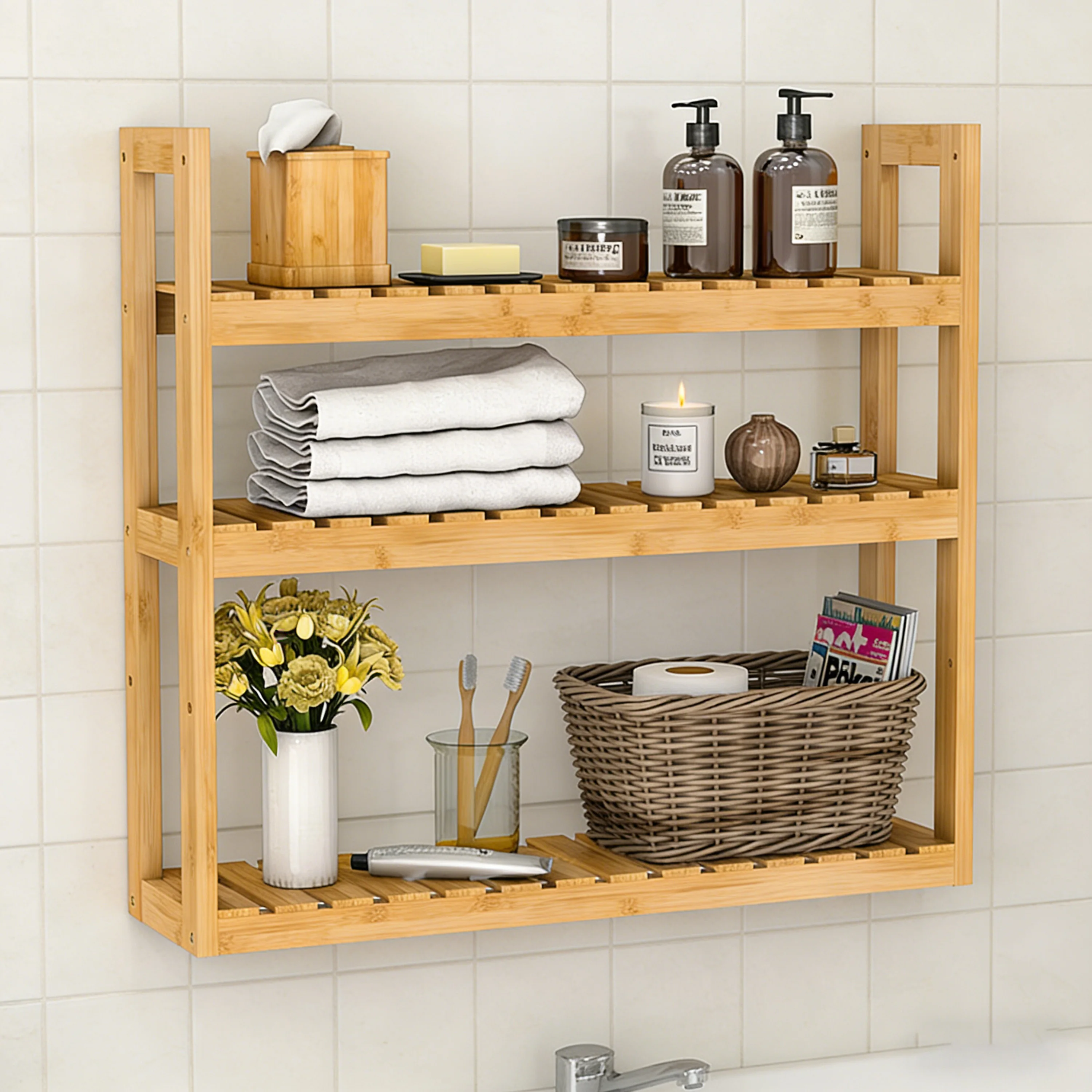
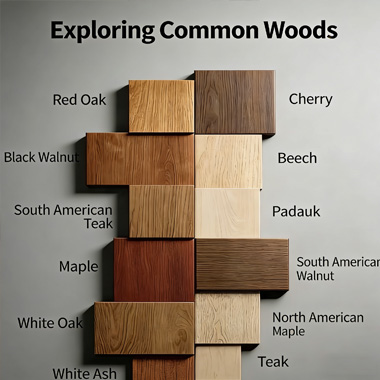
For suppliers engaged in cross-border sales of wooden kitchen and home storage products, selecting the right raw material is a core decision that directly determines product pricing, market positioning, profit margin, durability and consumer acceptance. A mismatch between material and product positioning can lead to high costs, slow sales or low customer satisfaction. We currently operate 8 mainstream high-quality wood materials: Bamboo, Acacia Wood, Walnut Wood, Teak Wood, Rubber Wood, Pine Wood, Maple Wood and Log. Below is a comprehensive breakdown of each material’s core advantages, price positioning, applicable scenarios and targeted selection advice for suppliers, to help you match materials to product lines and global market demands accurately.
Bamboo – Budget-Friendly & Eco-Friendly Top Pick
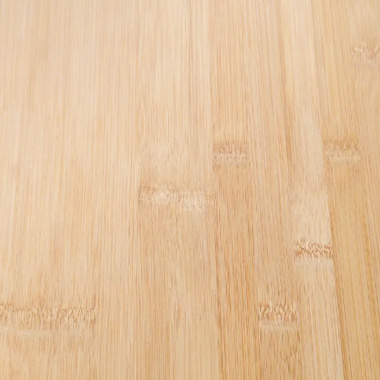
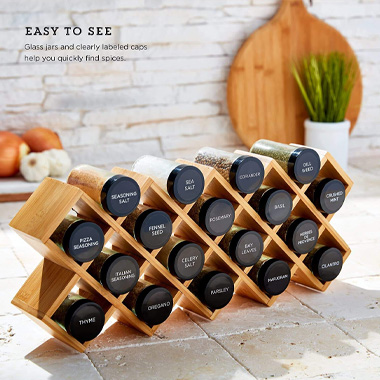
Core Advantages: Bamboo is a fast-renewable fiber composite (not solid wood), with 3-5 year regeneration cycles, far more sustainable than solid wood. It features high hardness, excellent moisture and mold resistance, lightweight texture, smooth surface, easy processing and mass production. It is FSC-certifiable, food-safe and meets global green standards. Suitable for mass-consumption products like foldable dish racks, fruit baskets, car steering wheel trays and basic spice racks. It caters to price-sensitive buyers, small-apartment dwellers and eco-conscious consumers in Europe, North America and Southeast Asia, making it the best choice for suppliers to expand market share and run volume-based sales.
Acacia Wood – Mid-to-High End & Best-Selling Solid Wood
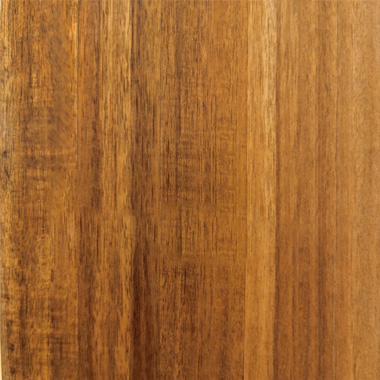
Core Advantages: A dense, durable solid wood with unique, rich natural grain (golden-brown to dark red), strong scratch resistance. It has a premium, high-end appearance without the exorbitant cost of luxury woods, striking a perfect balance between quality and price. Ideal for high-value products such as cutting board sets, rotatable spice racks, luxury bathtub trays and decorative storage shelves. It performs exceptionally well in European, Australian and North American markets, targeting quality-focused consumers and gift buyers, and is the core material for suppliers pursuing stable profits and brand image.
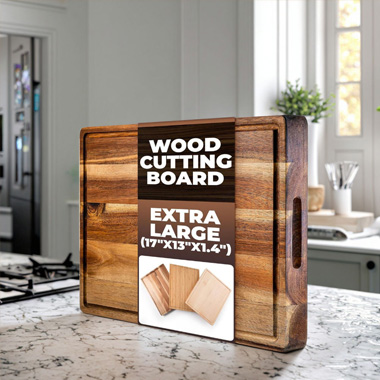
Walnut Wood – Luxury High-End Material
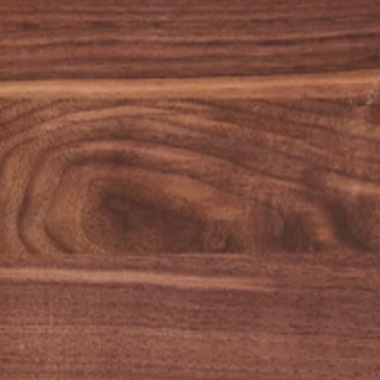
Core Advantages: A luxury solid wood with deep, elegant dark brown grain, fine texture, excellent stability and wear resistance. It exudes a noble, high-end aesthetic, perfect for creating brand premium and customized products. Suitable for high-end customized storage, decorative countertop organizers and premium gift sets. It targets high-net-worth consumers, luxury home buyers and commercial clients (high-end hotels, restaurants). For suppliers, it is only suitable for small-batch, high-margin production to enhance brand positioning, not mass sales.
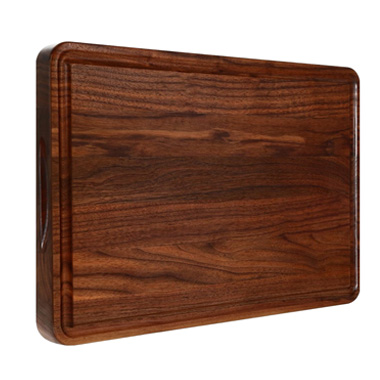
Teak Wood – Premium Moisture-Resistant Niche Material
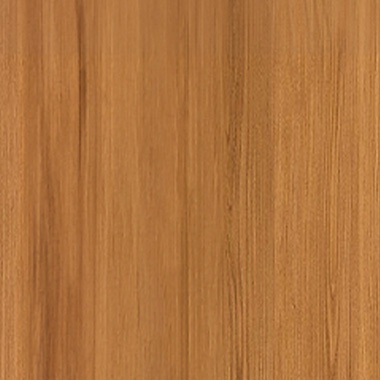
Core Advantages: Famous for superior moisture resistance, corrosion resistance and natural oil content, making it ideal for humid environments. It has a warm golden tone, classic texture and long service life. Suitable for water-exposed kitchen products (dish racks, soap holders) and outdoor/RV storage items. Targets buyers in coastal areas, humid regions and outdoor/RV enthusiasts. For suppliers, it is a niche high-value material for segmented markets, helping to avoid homogeneous competition.
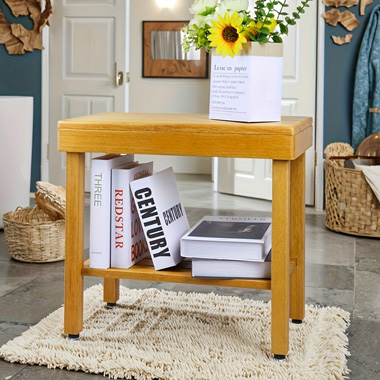
Rubber Wood – Entry-Level Budget Solid Wood
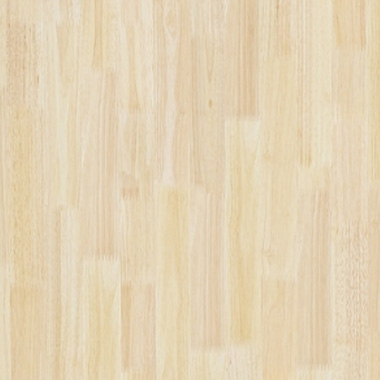
Core Advantages: A cost-effective solid wood with uniform texture, light color, good processability and easy painting. It is the most affordable solid wood option, perfect for large-scale, low-cost production. Suitable for entry-level products like basic storage shelves, simple fruit bowls and small utensil holders. Targets price-sensitive markets in Latin America, Southeast Asia and Eastern Europe, helping suppliers quickly occupy low-end markets and drive sales volume.
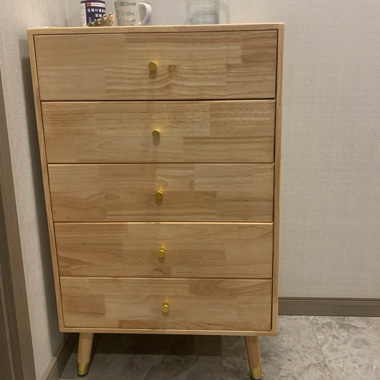
Pine Wood – Lightweight & Rustic Budget Option
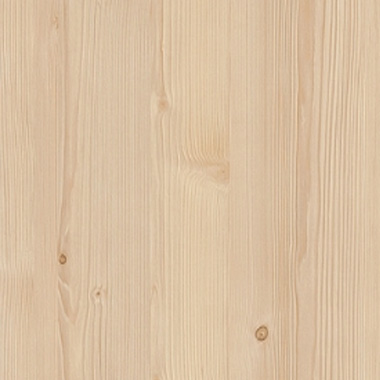
Core Advantages: Lightweight, soft solid wood with fresh, light grain, easy to process and paint. It fits rustic, farmhouse-style designs perfectly. Suitable for decorative storage products and low-demand daily items. Targets consumers pursuing rustic home styles and budget buyers. For suppliers, it is ideal for low-cost, design-focused product lines, but requires surface protection due to low scratch resistance.
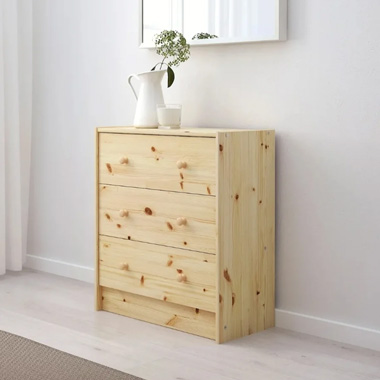
Maple Wood – Mid-Range Stable Quality Solid Wood

Core Advantages: High hardness, fine uniform texture, excellent wear resistance and stability, with a clean, light appearance that fits modern minimalist decor. It balances cost and quality, with lower price than Acacia Wood but better texture than Rubber Wood. Suitable for sleek spice racks, cutting boards and countertop organizers. Targets consumers pursuing simple, high-quality life, ideal for suppliers’ mid-range product lines with stable market demand.
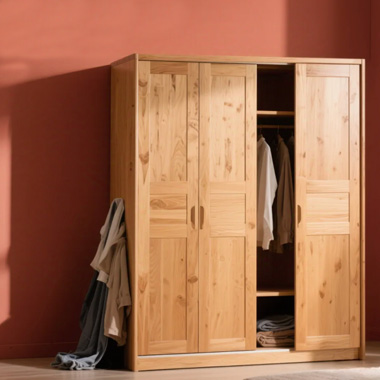
Log (Solid Whole Log) – Ultra-High-End Top Tier

Core Advantages: Integral solid wood blocks without splicing, with unparalleled durability, stability and natural texture. It represents the highest quality level, with strong premium feel and technical barriers. Suitable for ultra-high-end customized products, luxury storage sets and collectors items. Targets top-tier consumers and high-end customization markets. For suppliers, it is used to build brand image and technical advantages, only for small-batch, high-margin operations.
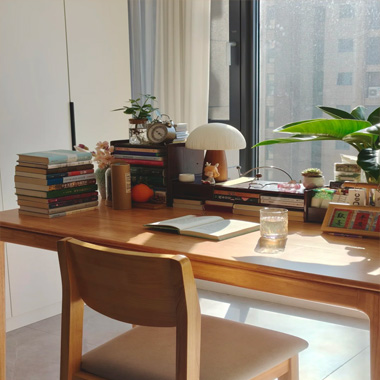
Supplier Material Selection Core Principles
1. For volume-based mass products (dish racks, basic baskets): Choose Bamboo & Rubber Wood (low cost, high market demand, fast turnover).
2. For profit-focused mid-to-high-end products (cutting boards, premium racks): Choose Acacia Wood & Maple Wood (balanced cost and profit, wide consumer acceptance).
3. For high-end niche & customized products: Choose Walnut Wood, Teak Wood & Log (high margin, low competition, brand enhancement).
Additionally, always prioritize food-safe coatings and sustainable sourcing to meet global environmental and safety standards, which building long-term business trust.
 Hot News
2026-09-16
2026-09-16
2026-08-24
2026-03-30
2026-03-15
2026-03-01
 EN
EN